How to Honor a Beloved Pet's Memory
Start with one true detail: the look they gave you at the door, the white patch on one paw, the sound of their tag crossing the room.
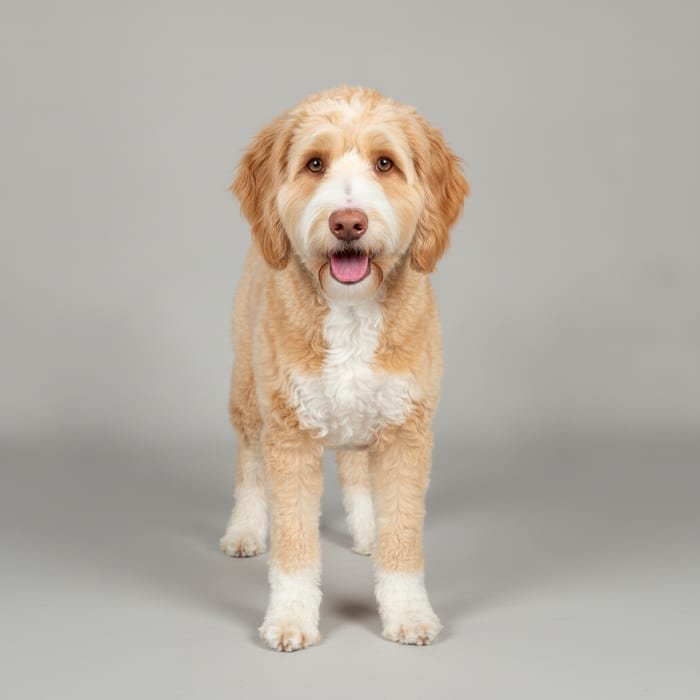
Most advice about pet memorials starts with the object. That's backwards. Start with one specific, true detail — the look they gave you at the door, the white patch on one paw, the sound of their tag crossing the room at 6am. A memorial that carries a detail like that will mean something in ten years. A generic one won't, however much it cost.
Give yourself permission to wait
There is no deadline. Grief in the first weeks is loud, and decisions made inside it tend to be either too large or too fast. Many people find that the object they actually want becomes obvious around the three-month mark, once the sharpest part has passed and they can think about the whole animal rather than the ending.
If you want to do something immediately, do something reversible: gather the photos into one folder, write down three stories while you still remember the details, ask family for the pictures on their phones that you've never seen.
Choose a form that matches how you grieve
- If you want them present daily — something functional wins. A mug you use every morning gets more contact than a framed print in a hallway.
- If you want a moment to visit — a single considered piece on a wall or shelf creates a place to go. Don't scatter reminders through the house; that tends to ambush you.
- If you want to hold something — a tactile keepsake, a blanket, a printed figure. Physical presence matters more to some people than image quality does.
- If you're grieving with others — make more than one. Shared objects give a family a way to talk about it without having to start the conversation.
The keepsakes people regret
Two patterns come up repeatedly. The first is the hyper-realistic portrait that isn't quite right — close enough to read as your pet, wrong enough to unsettle you every time. If a piece makes you flinch, it will keep doing that. Better a stylised version that captures the character than a photoreal one that misses the eyes.
The second is the memorial made too soon and too big: a large commission ordered in week one, arriving in week six to a person who has moved somewhere different emotionally. Small and early, or considered and later — the middle is where the regret lives.
Choosing the photo
The best source photo is rarely the most beautiful one. Look for the picture where their posture is characteristic — the head tilt, the way they sat, the ridiculous sprawl. A technically perfect portrait of a dog holding still like they never did in life makes a worse memorial than a slightly soft photo of them being unmistakably themselves.
Practically: face toward the camera, decent light, eyes visible. Avoid heavy motion blur and very dark shots.
Include the ordinary
Whatever you make, write down the small things nobody photographs: where they slept, what they were afraid of, the noise they made when you came home. Objects fade in meaning without the story attached. A short note kept with the keepsake is the part your family will thank you for.