From Puppy to Parent: A Letter from an Adopted Stray
Before I knew your name or the warmth of a bed, I knew what it felt like to be small in a big, noisy world.
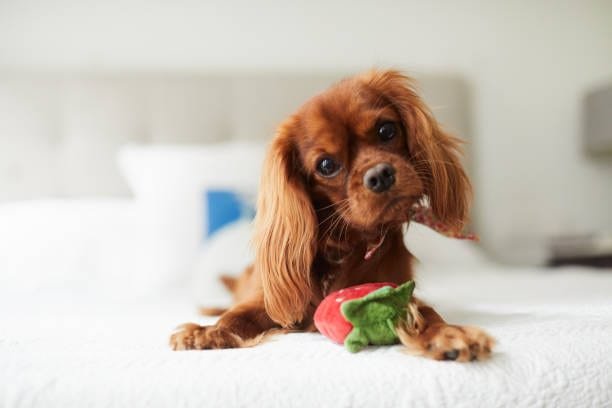
Written as a piece of fiction, from the perspective of a rescue dog. The practical notes underneath are not fiction.
Before I knew your name or the warmth of a bed, I knew what it felt like to be small in a big, noisy world. I knew which bins were worth the risk. I knew the sound a car makes when it is slowing down for you rather than driving past.
When you brought me home I did not trust the quiet. Quiet had always meant something was about to happen. So I sat by the door for three days and watched you, and you let me, which is the first kind thing anybody had done that I understood.
You kept doing small things. You put food down and walked away instead of standing over it. You never reached for my collar from above. When I flinched at the broom you put it away and did not make it a lesson. None of it looked like training. All of it was.
It took a season before I slept on my side with my back to you. I know that seems like nothing. It is the single largest thing I have ever done.
I am not the dog you met. I am a dog who found out what it is like to be certain of the next meal, and it turns out that changes almost everything about a personality. The nervousness you were warned about was not who I was. It was arithmetic.
What the first weeks actually need
The story above is sentimental on purpose. This part isn't.
- Expect three days, three weeks, three months. Roughly: three days to stop panicking, three weeks to learn the routine, three months to show you who they actually are. The dog you adopt is not the dog you'll have.
- Shrink the world first. One room, one routine, few visitors. Space is not a kindness to an animal that can't yet predict anything.
- Don't correct fear. Fear responds to distance and time, not instruction. Punishing a flinch teaches concealment, and a dog who conceals fear is a dog who bites without warning later.
- Let them opt in. Sit on the floor, look away, wait. Approaching a frightened dog is the fastest way to slow everything down.
- Take photos from week one. Not for social media — for you. The change between the dog who arrives and the dog at six months is enormous, and it happens too gradually to notice without evidence.
That last one is why we build what we build. The pictures from the first week rarely feel worth keeping at the time. They're the ones that matter most later.